A coarse beard can humble most razors. The whiskers are thicker, denser, and often grow at angles that trap blades and tug skin. If you have a heavy five o’clock shadow by lunch, the difference between a comfortable shave and a raw face usually comes down to two things: blade choice and technique. Pair the right safety razor blades with a thoughtful routine, and even tough stubble yields with minimal resistance.
I started shaving with a straight razor in a tiny apartment bathroom because budget blades tore my neck to shreds. I’ve since rotated through safety razors, Shavette setups, a Merkur 34C, a Henson razor, and more packs of double edge razor blades than I care to admit. Coarse beards reward patience, sharp steel, and proper preparation. They punish haste. What follows is the hard-earned middle ground between perfect barber-chair ritual and weekday reality.
What “coarse” really means for blade behavior
Not all thick beards feel the same. Some are wiry and springy, others dense and velcro-like. When a blade meets coarse hair, two things happen. First, the blade loses keenness faster. Second, any inefficiency in the razor’s geometry shows up as tugging. This is why a blade that feels fine in a mild beard suddenly feels dull on pass one against tougher growth.
The standard advice to just use a “sharper” blade is only half the truth. Sharpness matters, but so does grinding consistency, coating, and how that blade pairs with your razor’s head design. In a Henson shaving head, for instance, blade exposure is tightly controlled, so an ultra-sharp edge can feel surprisingly friendly. In a more classic head like the Merkur 34C, the same blade may feel livelier because you have more freedom to ride the cap or the bar. You need both blade and chassis to complement each other.
How to read blade traits: sharpness, smoothness, and longevity
Manufacturers rarely print measurable sharpness numbers, so the community uses feel. After years of testing, I put blades into three broad buckets:
- Very sharp, relatively low forgiveness: These slice coarse whiskers with authority. Think of blades known for efficiency that can punish poor angle control. Balanced sharp-smooth: Still keen, with coatings that glide better on the first pass. These are often the best “daily driver” for heavy growth. Smooth and forgiving, moderate sharpness: Excellent for sensitive skin if your technique is dialed, but they may require extra passes on coarse hair.
Longevity is the quiet variable. Coarse hair blunts edges quickly. If you normally get five shaves from a blade, expect two to three when chewing through dense growth. Trying to stretch a blade one shave too far usually causes chatter, redness, or weepers, especially on the neck.
Preparation makes or breaks the first pass
I can tell within five strokes whether my prep was enough. Coarse hair needs water, time, and a slick base.
Start with hydration. Shave after a shower or at least soak your beard for a full minute with comfortably warm water. Fold a wet towel and press it into the beard if your hair is especially stubborn. Then use a proper shaving soap or cream, not a thin canned foam. A good shaving soap layered with a well-loaded shaving brush builds cushion and a low-friction glide. If your lather dries in spots while you work, paint it again with a damp brush. Don’t let the beard go thirsty between passes.
Pre-shave oils can help, but they are not a magic layer. If you use one, apply sparingly to avoid gumming up the lather. The right lather is a balance: glossy, well-hydrated, and elastic, not thick and pasty. Coarse beards benefit from a slicker, slightly wetter lather that lets the blade move without skipping.
Matching blades to popular razors for coarse beards
Safety razors come with different personalities. Blade exposure, gap, cap curvature, and clamping strength all change how a given edge behaves on your face. Here is how several common tools pair with blades when the beard pushes back.
The Merkur 34C is a classic for a reason. It has a moderately mild profile, a short handle, and reliable build. On a coarse beard, you’ll want a blade that adds bite without feeling harsh. Blades that run too smooth can leave you buffing the same area repeatedly, which causes irritation. I reach for balanced sharp-smooth blades in a 34C and keep the angle shallow, riding the cap to avoid scraping.
The Henson razor is a different animal. Henson shaving built its reputation on precise tolerances and predictable angles. The head clamps the blade very close to the edge, https://jaspermtuf237.huicopper.com/single-blade-razor-care-keep-it-sharp-clean-and-rust-free-1 which reduces chatter on tough whiskers. That stability lets you use sharper blades with less drama, provided you follow the built-in angle. The Henson can make an aggressive blade feel civil. It also punishes pressure. Let the geometry do the cut.
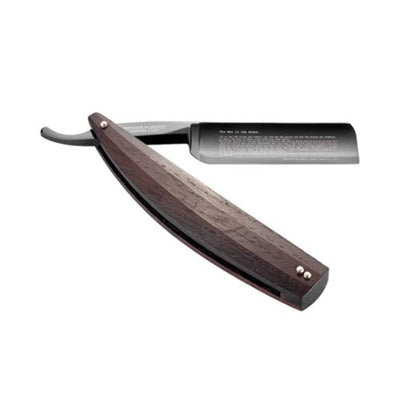
A Shavette and a straight razor deserve mention because many with coarse beards eventually try a single blade razor that uses half a DE blade or a disposable straight razor blade. A well-honed straight razor is as smooth as steel gets, but maintenance and technique are serious commitments. A Shavette is more convenient, more aggressive, and far less forgiving. If your beard is coarse and your technique keen, a straight razor can be stunningly efficient and gentle. If you are learning, keep the strokes short and use a slick lather, or you will carve irritation.
Blade recommendations that consistently work on heavy growth
There is no single best blade for coarse beards. There are clusters of winners that show up again and again when tested in different razors and by different faces. The safest starting point is a blade sampler that includes a range of profiles, then narrowing to two or three dependable options.
I favor blades that combine high initial keenness with consistent grind quality and coatings that stay out of the way. Ultra-bright edges will still require light pressure and correct angle. Once you find your best pairings, buy in bulk to ensure consistency across lots.
Here are categories and examples that have performed well for coarse beards, with notes on how they behave in common razors:
Very sharp, clean cutters: These plow through dense growth with minimal tug when the angle is right. They can bite if you lean on them or rush the against-the-grain pass. In a Henson head, they feel surprisingly controlled because of the firm clamping. In a Merkur 34C, they reward riding the cap and short, deliberate strokes.
Balanced sharp-smooth blades: A touch more forgiving on the first pass, less prone to angry spots under the jaw. They still clear heavy stubble efficiently, just not quite as aggressively as the top-tier cutters. In a 34C, this category often hits the sweet spot. In a Henson, they provide a comfortable daily shave without risking overexfoliation.
Smooth, forgiving options with moderate bite: Best when your skin is sensitive or you shave daily and don’t want to overdo exfoliation. On a two-day growth of coarse hair, you may need one extra touch-up pass. In a razor with a slightly larger gap or more exposure, these can feel perfect, especially around the Adam’s apple and corners of the mouth.
Expect longevity of two to four shaves on coarse growth, depending on the brand and how well you prep. Don’t chase numbers. The blade that gives you two excellent shaves is better than one that drags through a third.
Technique adjustments that help coarse whiskers surrender
Blade talk is half the story. The other half is how you present the whisker to the edge. Coarse hair resists when the angle is off even a few degrees. It also punishes pressure. Good technique bails you out more than any brand change ever will.
Shallow angle, not steep. In most safety razors, riding the cap by a hair’s breadth lets the very edge do the cutting and reduces scraping. On heavy growth, this creates a clean slice instead of a wrenching tug. The exception is razors designed for a specific angle, such as certain Henson models. In those, follow the head geometry and keep the head flat to the face as instructed.
Short strokes, frequent rinses. Don’t mow a whole cheek in one pass. Use strokes of one to two inches, rinse the razor often, and keep the lather fresh. Coarse stubble clogs the blade channel quickly, dulling the feel mid-pass.
Mapping grain matters. Coarse hair often grows in whorls on the neck. Take a minute to map the direction by stroking with your fingertips when dry. Your first pass should be with the grain, the second across, and only go against the grain where your skin tolerates it. For some, true against-the-grain under the jaw is a recipe for ingrowns. Across the grain in two directions is safer and nearly as close.
Stretch lightly. A gentle skin stretch with your off hand, or by shifting your facial expression, presents the hair upright and reduces skipping. Pull too hard and you risk cutting below the skin line, inviting bumps when the hair retracts.
Reduce the beard in layers. Coarse whiskers are not felled in a single swipe. Aim for progressive reduction: with the grain to clear the bulk, across to refine, and then selective touch-ups. If you chase baby-smooth on the first pass with pressure, you will trade closeness for irritation.
Lathering details that matter more than you think
Quality soap and technique make blades feel sharper and kinder. A slick, low-drag lather lets the edge flow. Too dry and the blade hops; too foamy and it loses cushion.
Load the brush longer than you think you need. With hard soaps, swirl for 20 to 30 seconds until the brush is visibly pasty. Face lather in circles to lift the hairs, then paint back and forth to even the sheen. Add water in small dips until the lather is glossy and stretchy when you pull the brush away. If you love creams, a fingertip-sized dollop is usually plenty, then build to a yogurt-like texture.
Consider a pre-shave cube or a quick face wash with a glycerin soap right before lather. It strips oils that repel water, which helps hydration sink in. For very sensitive skin, a mild, unscented shaving soap with a protective base will often outperform a heavily fragranced one.
Managing difficult zones: jawline, chin, and neck swirls
The jawline is where coarse hair and awkward angles meet. Roll the razor over the curve with micro-adjustments rather than trying to keep a flat angle. Tilt the chin up and to the side to flatten the working area. For the chin, shorten the strokes even more, and keep the lather particularly wet. A blade that feels perfect on the cheek can feel skippy on the point of the chin if your lather dries.
Neck swirls are the most common source of post-shave gripes. Shave them last, when the lather has had extra time to soften the area. Use across-the-grain passes in both directions rather than forcing a direct against-the-grain cut. If you routinely get irritation there, load a slightly smoother blade for the final pass, or back off the angle by a few degrees.
Building a rotation that works for coarse beards
Consistency beats novelty. Once you find a blade that pairs well with your razor, lock it in for two or three months and refine technique. If you like to experiment, change only one variable at a time: blade, soap, or razor, not all three. Track results for a week before deciding.
If you own a Henson razor, you can run sharper blades earlier in your journey thanks to its clamping and angle control. If your daily driver is a Merkur 34C, expect to ride the cap and be a bit more attentive to pressure. If you occasionally play with a straight razor or a Shavette, schedule those shaves when you have time and a steady hand. A rushed straight razor session is not kind to a coarse beard or your skin.
When to retire a blade
Coarse beard hair is brutal on edges. The first sign that a blade is done is subtle: a change in sound as it scrapes rather than sings, or a faint tug in your usual easy zones. The next sign is lather streaking and more touch-ups required. Don’t rationalize one more shave. Blades are cheap compared to aftershave balms and time spent healing irritation. For dense growth, two to three quality shaves per blade is normal. If you get more, you are either very skilled, using a forgiving razor, or both.
Travel and time-pressed days
If you have to reach for a disposable razor on a trip, pick a cartridge that is known to be gentle and avoid hacking at two-day growth. Better yet, pack a compact safety razor and a couple of double edge razor blades in a blade-safe case. Security rules vary, so check ahead or plan to buy blades at your destination. A small synthetic shaving brush and a travel shaving soap stick weigh next to nothing and transform a rushed shave. The difference in glide is night and day, especially with coarse hair.
Aftercare that calms the aftermath
Heavy whiskers stress skin even in the best shaves. Rinse thoroughly with cool water to close things down. An alcohol splash is optional. It can be bracing, but it also dries. If your skin leans sensitive, use a balm with simple ingredients: glycerin, allantoin, panthenol, maybe a light shea or squalane. Avoid heavy fragrance on days you push closer against the grain. If you do nick yourself, a dab of alum or a styptic pencil solves it. Wash both off after a minute; leaving alum on can tighten skin too much and lead to dryness.
A practical sampler strategy for coarse beards
Here is a simple, low-fuss approach to lock in your best blade and technique without analysis paralysis.
- Pick one razor you know well, such as a Merkur 34C or a Henson model, and one dependable shaving soap. Choose a mixed sampler of sharp and balanced blades and label each wrapper with the date. Shave three times with each blade on one to two days of growth, replacing the blade at the first sign of tugging. Note quick impressions after each pass: first-pass tug on the chin, comfort on the neck across the grain, number of touch-ups needed. Keep the top two performers and buy a 50 or 100 pack to minimize lot variation and save cost.
Where Henson shaving and other brands fit for coarse beards
Henson shaving Canada and other regional shops have made the Henson razor more accessible to those outside major cities, which is great news for anyone with heavy growth looking for a consistent daily tool. The tight tolerances make it an excellent match for very sharp blades without drama. If you like a more traditional feel and weight, the Merkur 34C remains a reliable option that rewards skill and allows a wider range of blade personalities.
If you are curious about straight razors, take a lesson or watch a reputable barber who uses one daily. The learning curve involves stropping, honing, and angle control. The payoff is unmatched smoothness and edge longevity when done right. A Shavette lowers the maintenance barrier, using half of a double edge razor blade, but it amplifies any lapse in pressure or angle. For very coarse beards, a well-honed straight razor can feel like it parts whiskers without touch. The trade-off is time and attention.
Avoiding common traps
The most frequent mistake I see is trying to brute-force closeness with pressure. Coarse whiskers laugh at pressure and punish you with redness. The second is staying with a comfortable but too-smooth blade that forces extra passes. If you need a third pass and extensive buffing every shave, you probably need a sharper blade or a slightly more efficient razor head. The third trap is dry lather. The fix is free: more water and a slower build.
Another pitfall is chasing perfection against the grain on the neck. You can live happily with a across-the-grain finish and keep your skin calm. A close, comfortable shave every day beats a flawless one that leaves you blotchy twice a week.
A note on adjuncts and accessories
Cigar accessories and shaving gear sometimes share shelf space in old-school shops, but don’t let the ambiance distract you from the basics. A solid safety razor, quality safety razor blades, a dependable shaving brush, and a protective shaving soap give you 90 percent of the result. Pre-shaves, hot towels, and boutique aftershaves are nice. Technique and blade choice do the heavy lifting.
Final thoughts from the sink
Coarse beards are not a curse. They are a call for sharper steel, a lighter hand, and a bit of ritual. Whether you favor a Henson razor with precise geometry or the familiarity of a Merkur 34C, the right double edge razor blades, hydrated lather, and careful passes stack the odds in your favor. If the blade tugs, swap it. If the lather dries, add water. If the neck revolts, change the pass direction. Small adjustments turn a daily struggle into a quiet routine.
Treat the shave as a process of reduction, not conquest. The first pass solves bulk, the second refines, the rest is restraint. With coarse whiskers, restraint is the fastest way to smooth.